
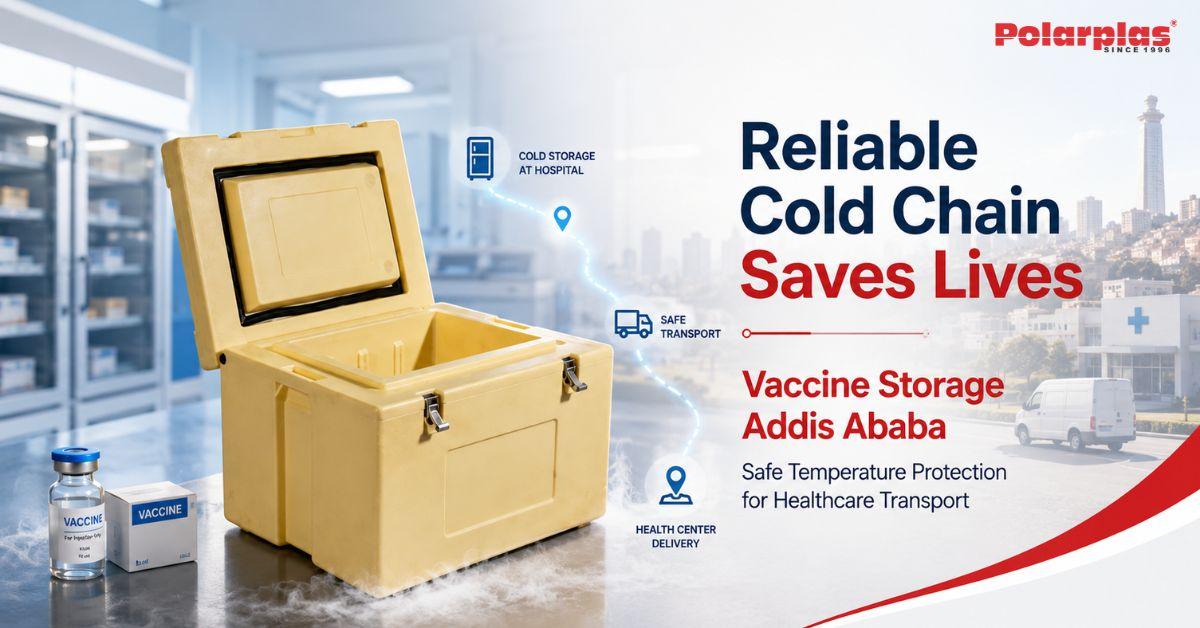
Vaccine Storage in Addis Ababa
Vaccines save lives. But they only work if they stay cold. That is why vaccine storage Addis Ababa is such a big deal for hospitals, clinics, and health workers across the city.
Think of a vaccine like ice cream. If you leave ice cream in the sun, it melts. It is ruined. You cannot put it back in the freezer and eat it safely. Vaccines work the same way. Once heat damages a vaccine, it is gone. You cannot fix it. If a nurse gives a damaged vaccine to a child, that child gets no protection. The vaccine did nothing. This is a serious problem. And it happens more than people think.
Why Keeping Vaccines Cold Is Hard
Addis Ababa is a busy city. It has big hospitals, small clinics, community health centers, and mobile health teams that go out to neighborhoods and villages. All of these places need vaccines. And all of those vaccines must stay cold the whole time from the moment they leave the factory to the moment they go into a patient’s arm. That journey is called the cold chain. Every step matters for proper vaccine storage Addis Ababa depends on.
This is the core challenge of vaccine storage Addis Ababa faces every day. Power cuts happen. Trucks sit in traffic for hours. Health workers carry vaccines on motorbikes or on foot. The weather gets warm. Refrigerators break down. Any one of these problems can let heat in. And heat destroys vaccines fast. Most vaccines need to stay between 2°C and 8°C. Some need to stay even colder. If the temperature goes above that range, even for a short time, the vaccine may stop working. There is no way to tell just by looking at it. It still looks fine. But it no longer protects anyone.
What Happens When Vaccines Go Bad
When a vaccine is damaged by heat, a few bad things happen all at once. First, the patient does not get protection. A child gets a measles vaccine that no longer works. That child can still get measles. That is dangerous. Second, the health worker and the clinic do not know this happened. They think the vaccine worked. No one finds out until there is an outbreak.
Third, the vaccine is wasted. Vaccines cost money. Replacing them costs more money. Health budgets in Ethiopia are tight. Wasted vaccines mean fewer vaccines for other people. Fourth, trust breaks down. When people get sick after a vaccination, they stop believing in vaccines. That makes outbreaks worse. This is why cold storage is not just a logistics problem. It is a patient safety problem.
How Good Storage Systems Fix This
The right storage equipment makes a huge difference. Good insulated containers and cold boxes keep vaccines at safe temperatures even when the power goes out. They work like a very good cooler with thick walls, tight lids, and a smart design that keeps the cold inside for hours or even days.
For vaccine storage Addis Ababa health facilities need containers that can handle real-world conditions. That means equipment that is:
- Strong enough to be carried, dropped, loaded onto trucks, and used every day without breaking
- Well-insulated to hold temperature even in warm weather
- Easy to clean so bacteria and dirt do not build up inside
- Simple to use so any health worker can use them correctly without special training
Portable cold boxes are especially useful for mobile health teams. These teams take vaccines to schools, markets, and remote neighborhoods. They cannot carry a full refrigerator with them. A good cold box gives them hours of safe storage time on the road.
Reaching People Outside the City
Some of the hardest work happens outside Addis Ababa. Rural health centers in nearby regions receive vaccines that travel for many hours. Dirt roads, long distances, and warm conditions all create risk during transport. Good insulated storage systems can hold safe temperatures for 24 hours or longer. That gives health workers enough time to transport vaccines safely, even on difficult journeys.
When vaccines arrive cold and in good condition, the health worker can use them right away. No waste. No risk. Just protection for the patient. Reliable vaccine storage Addis Ababa solutions make these long-distance deliveries safer and more successful.
What Polarplas Provides
Polarplas makes insulated medical storage containers built for exactly these challenges. Their cold boxes and vaccine carriers are designed for healthcare environments, not just any cooler from a shop.
Their products are built to keep vaccines cold for extended periods. They are tough enough for daily medical use. They are easy to clean and maintain. And they are sized for different needs from small vaccine carriers for a single health worker to large cold boxes for hospital storage rooms. Healthcare teams across Ethiopia trust these products because they work in real conditions not just in a lab test.
Small Equipment, Big Impact
It is easy to overlook a cold box. It is just a container. But when that container is doing its job, a nurse can walk into a crowded market and vaccinate 50 children with confidence. Every one of those vaccines is good. Every one of those children is protected.
That is what proper vaccine storage Addis Ababa equipment makes possible. It is not just about keeping boxes cold. It is about making sure every vaccine does the job it was made to do. When the cold chain works, vaccination programs work. When vaccination programs work, fewer people get sick. Fewer families lose someone they love. That matters.
Conclusion
Vaccines are only as good as the system that stores and moves them. Heat is the enemy. Good insulation, proper cold boxes, and reliable equipment are the solution.
If you run a clinic, a hospital, or a health program in Ethiopia, your vaccine storage decisions affect real patients every day. Choosing the right equipment like the insulated containers from Polarplas is one of the most important steps you can take to protect the people in your care. Good vaccine storage Addis Ababa systems do not just save vaccines. They save lives.
