
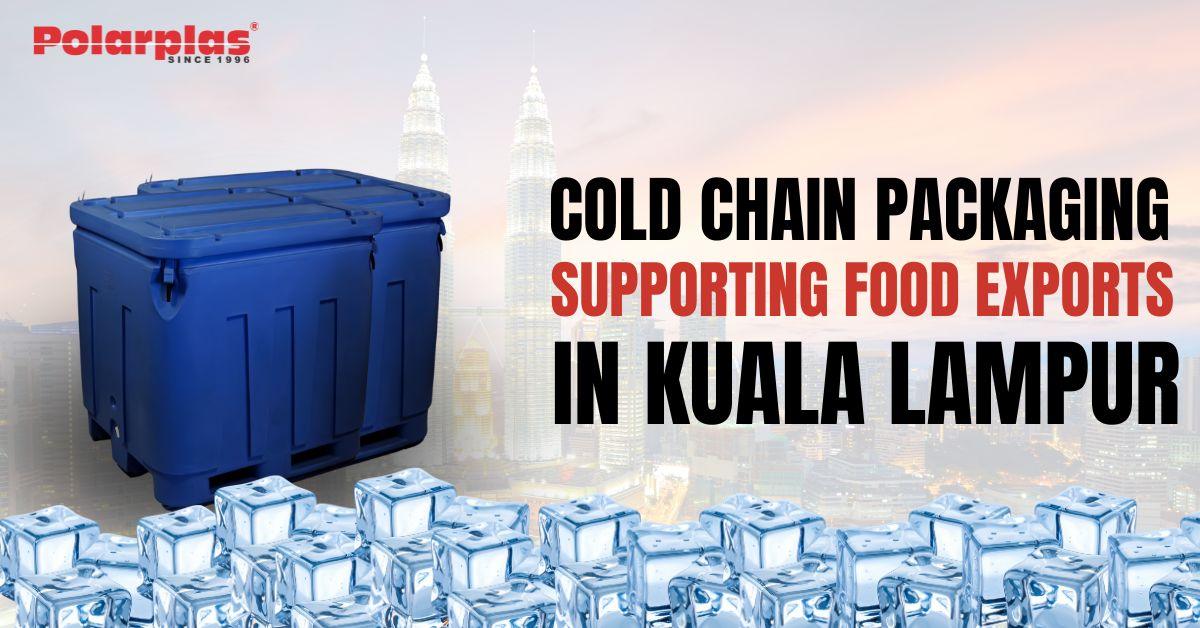
Cold Chain Packaging Challenges for Food Exporters in Kuala Lumpur
Kuala Lumpur is a fast-growing food export hub in Southeast Asia. Every day, food products like seafood, meat, fruits, vegetables, dairy, and frozen items move from factories and farms to global markets. These products travel long distances and must stay fresh and safe. For food exporters, this is not easy. One small mistake can spoil the product. This is why cold chain packaging in Kuala Lumpur is very important for export success.
Food exporters face many challenges when it comes to temperature control, hygiene, transport delays, and handling. Understanding these challenges helps businesses choose better packaging and protect their goods.
Why Cold Chain Packaging Is Critical for Food Exports
Food products are sensitive. Heat, humidity, and time can quickly reduce quality. If food is not kept at the right temperature, it can spoil, smell bad, or become unsafe.
Cold chain packaging helps protect food from these risks. It keeps the temperature stable from packing to delivery. For exporters in Kuala Lumpur, strong cold chain packaging is the foundation of safe food exports. Without it, even the best product can fail before reaching the buyer.
Hot and Humid Climate Creates Extra Pressure
Kuala Lumpur has a warm and humid climate all year. This makes food export more challenging. High temperatures speed up spoilage. Humidity increases moisture and bacterial growth.
Food exporters must fight these natural conditions every day. Cold chain packaging in Kuala Lumpur must be strong enough to handle heat and moisture. Weak packaging cannot protect food for long hours during transport. This is one of the biggest challenges exporters face.
Maintaining Temperature During Long Export Routes
Food exported from Kuala Lumpur often travels by road, sea, and air. These journeys take time. During transit, products may wait at ports, warehouses, or airports.
Delays are common in global trade. During these delays, temperature control becomes difficult. Cold chain packaging must hold cold temperatures even when shipments stop moving. Many exporters struggle when packaging cannot handle long waiting times. This leads to food damage and financial loss.
Leakage and Moisture Problems in Food Packaging
Food exports often use ice or cooling materials. As ice melts, water can leak. Poor packaging allows moisture to escape and damage cartons and labels.
Leakage is a serious problem for food exporters. Wet boxes are often rejected by transport companies and buyers. Cold chain packaging in Kuala Lumpur must be designed to control moisture and prevent leaks. Strong insulated containers help reduce this risk and protect product quality.
Hygiene Standards in Global Food Markets
International buyers follow strict food safety rules. Packaging must be clean, food-grade, and hygienic. Traditional packaging materials can absorb water, smell, and bacteria.
Food exporters must meet these hygiene expectations to stay competitive. Cold chain packaging made from food-grade plastic is easier to clean and safer for food handling. Maintaining hygiene is a constant challenge, especially when shipments are reused many times.
Damage During Handling and Transport
Export shipments are handled many times. Boxes are stacked, moved by forklifts, and transferred between vehicles. Rough handling is common.
Weak packaging breaks under pressure. When containers crack or collapse, food products get damaged. For exporters, this means loss of product and loss of trust. Cold chain packaging in Kuala Lumpur must be strong enough to handle rough handling without breaking.
Weight Loss and Quality Loss
Food is sold by weight and quality. Poor insulation causes ice to melt faster and food to dry out. This leads to weight loss.
Even small weight loss can affect profits when shipments are large. Exporters face this challenge often when using low-quality packaging. Better insulated packaging helps keep weight stable and protects food quality during long journeys.
Meeting Export Regulations and Buyer Expectations
Different countries have different food import rules. Exporters must prove that food stayed within safe temperature limits.
Cold chain packaging supports compliance with these rules. Reliable packaging makes inspections easier and reduces the risk of rejection. Food exporters in Kuala Lumpur must balance speed, cost, and compliance, which is not always easy.
Rising Export Costs Due to Packaging Failure
When packaging fails, costs rise. Exporters must replace damaged goods, pay for returns, and sometimes lose buyers.
Cold chain packaging is not just a cost. It is an investment. Strong packaging reduces damage, delays, and waste. Over time, better packaging helps exporters control costs and protect profits.
How PolarPlas Supports Food Exporters
PolarPlas provides cold chain packaging solutions designed for demanding food export conditions. These solutions help maintain temperature, reduce leakage, and protect food during long transport.
For exporters in Kuala Lumpur, PolarPlas products offer strength, hygiene, and durability. The packaging supports repeated use and global export routes. This helps food exporters reduce risk and deliver quality products to buyers.
The Future of Food Exports in Kuala Lumpur
Food exports from Kuala Lumpur continue to grow. Global demand is rising, and buyers expect high quality and safety.
Cold chain packaging in Kuala Lumpur will play a bigger role in this growth. Exporters who invest in reliable packaging will face fewer losses and build stronger relationships with buyers. In the future, success in food exports will depend not only on product quality but also on how well that quality is protected during the journey.
