
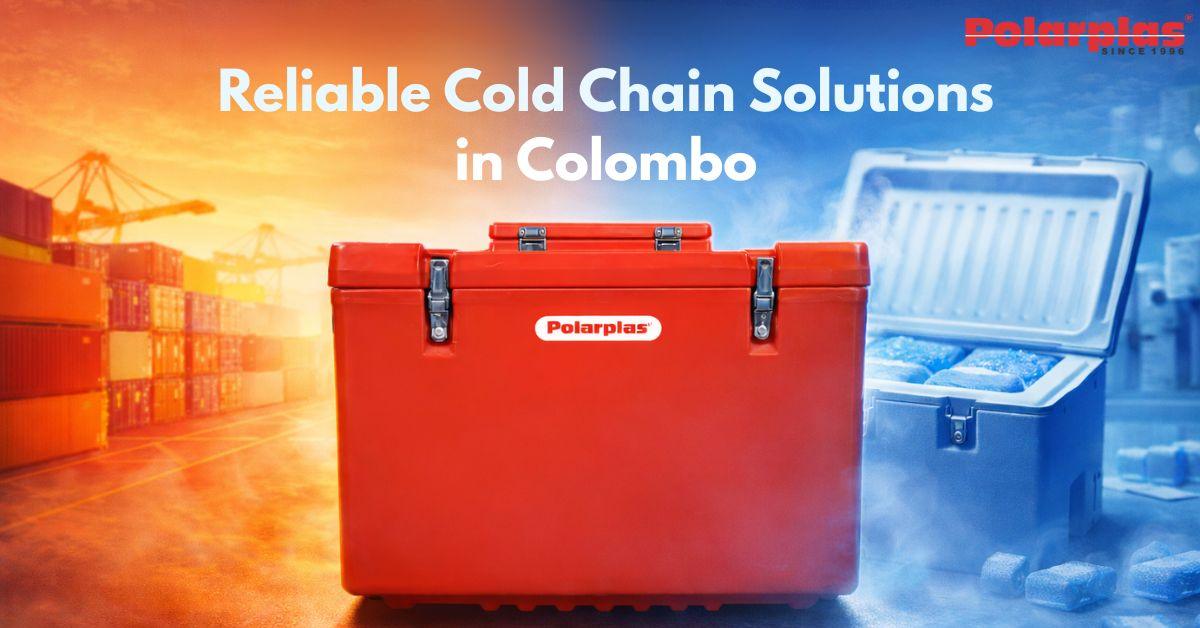
Cold Chain Packaging Challenges for Seafood Exports from Colombo
Colombo is one of Sri Lanka’s most important seafood export cities. Fresh fish, prawns, crabs, and other seafood products are sent every day from Colombo to many countries. These products are highly sensitive. They can spoil very fast if they are not kept cold. Because of this, seafood exporters depend heavily on strong cold chain systems. One key part of this system is cold chain packaging in Colombo.
Seafood exporters do not only sell fish. They sell freshness, safety, and trust. Cold chain packaging helps protect all three.
Why Seafood Exports Need Strong Cold Chain Support
Seafood starts losing quality as soon as it is taken out of water. Heat, moisture, and time are the biggest enemies. Even a small temperature rise can damage taste, smell, and texture.
Exporters in Colombo must keep seafood cold from the moment it is packed until it reaches the buyer. Cold chain packaging in Colombo helps slow down temperature change and protect seafood during transport, storage, and delays. Without proper packaging, seafood exports face high risk.
Hot and Humid Climate Creates Daily Challenges
Colombo has a hot and humid climate throughout the year. High temperature and moisture make seafood spoil faster. Ice melts quickly and moisture can leak from poor packaging.
This climate puts extra pressure on exporters. Cold chain packaging must be strong enough to handle heat and humidity. Weak boxes fail quickly in such conditions. Exporters face losses when packaging cannot protect seafood for long hours.
Maintaining Temperature During Long Export Journeys
Seafood exported from Colombo often travels long distances to Asia, Europe, and the Middle East. These journeys involve trucks, ports, ships, and airports.
During transport, shipments may stop for inspections or customs clearance. These delays increase the risk of temperature rise. Cold chain packaging in Colombo must keep seafood cold even during long waiting periods. Many exporters struggle when packaging cannot hold temperature for enough time.
Ice Management and Leakage Issues
Seafood exports often use ice to keep products cold. As ice melts, water collects inside the box. Poor packaging allows water to leak out.
Leaking boxes damage outer cartons and labels. Wet packages are often rejected by transport companies and buyers. Strong cold chain packaging helps manage ice melt and prevents leakage. This is a major challenge for seafood exporters in Colombo.
Hygiene and Food Safety Requirements
International seafood buyers follow strict hygiene rules. Packaging must be clean, food-grade, and safe.
Traditional packaging materials absorb moisture and smell. They are difficult to clean and may carry bacteria. Cold chain packaging made from food-grade plastic supports hygiene. Exporters must choose packaging that is easy to clean and safe for repeated use. Meeting food safety standards is a constant challenge in seafood exports.
Handling Damage During Transport
Seafood shipments are handled many times. Boxes are lifted, stacked, and moved again and again. Rough handling is common at ports and warehouses.
Weak packaging cracks or collapses under pressure. This damages seafood and leads to loss. Cold chain packaging in Colombo must be strong enough to handle heavy loads and rough movement. Durable insulated boxes help protect seafood during the entire export journey.
Weight Loss and Quality Loss
Seafood is sold by weight and quality. When temperature is not controlled, seafood loses moisture and weight. This directly affects exporter revenue.
Poor insulation causes faster ice melt and quality loss. Exporters face complaints and claims when products arrive in poor condition. Better cold chain packaging helps reduce weight loss and protect seafood value.
Meeting Export Regulations and Buyer Expectations
Global markets have strict rules for seafood imports. Exporters must prove that seafood stayed within safe temperature limits during transport.
Cold chain packaging in Colombo plays an important role in meeting these rules. Reliable packaging helps exporters pass inspections and avoid shipment rejection. Compliance is not easy, but strong packaging makes it manageable.
Rising Costs Due to Packaging Failure
When packaging fails, costs increase quickly. Exporters must replace damaged goods, manage returns, and sometimes lose buyers.
Cold chain packaging is not just an expense. It is an investment. Good packaging reduces spoilage, delays, and waste. Over time, exporters who invest in better packaging save money and protect profits.
Why Exporters Prefer Insulated Plastic Packaging
Many seafood exporters now prefer insulated plastic packaging. Plastic boxes are strong, durable, and reusable. They do not absorb water or smell.
Insulated plastic packaging supports long export journeys and repeated use. For exporters in Colombo, this durability reduces replacement costs and improves efficiency. Reusable packaging also supports sustainability goals.
How Polarplas Supports Seafood Exporters
Polarplas provides cold chain packaging solutions designed for seafood exports. These solutions support temperature control, strength, and hygiene. They are suitable for tropical climates and long-distance transport.
For seafood exporters in Colombo, Polarplas products help reduce spoilage, control leakage, and protect product quality. Reliable cold chain packaging allows exporters to focus on growth and global expansion.
The Future of Seafood Exports from Colombo
Seafood exports from Colombo continue to grow. Global buyers expect better quality, stronger safety, and reliable delivery.
Cold chain packaging in Colombo will play an even bigger role in the future. Exporters who invest in strong and reliable packaging will face fewer losses and build long-term buyer trust. In competitive global markets, cold chain packaging is not optional. It is essential.
