
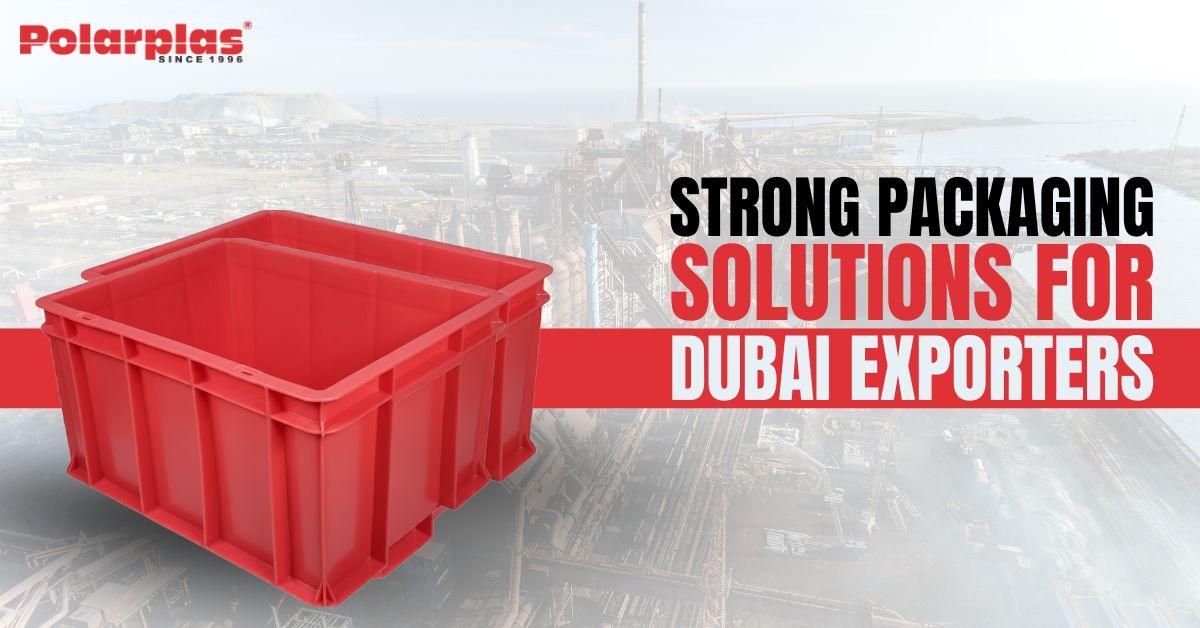
Why Dubai Exporters Rely on Industrial Plastic Crates in Dubai
Dubai is one of the world’s busiest export hubs, sending goods to global markets every day. To manage heat, long-distance shipping, and heavy handling, exporters depend on reliable packaging. This is why industrial plastic crates in Dubai have become essential for protecting goods, reducing damage, and ensuring smooth export operations across industries.
Export conditions in Dubai are tough. Heat, long travel distances, and frequent handling put pressure on packaging. Weak crates can break, cause damage, and delay shipments. Heavy-duty plastic crates solve these problems and help exporters work with confidence.
Dubai’s Export Environment Demands Strong Packaging
Dubai’s climate is hot and dry. During summer months, temperatures rise very high. Goods stored in warehouses or waiting at ports face heat stress. Traditional packaging materials like wood or thin plastic often fail under such conditions. They crack, bend, or lose strength.
Heavy-duty industrial plastic crates are designed to handle extreme temperatures. They do not absorb heat easily and do not lose shape. This makes them reliable for exporters who need stable packaging throughout the export journey. For Dubai exporters, strong crates are a necessity, not a choice.
Why Exporters Cannot Afford Packaging Failure
Export shipments pass through many hands. Goods are loaded, unloaded, stacked, and moved again and again. If a crate breaks even once, the product inside can get damaged. This leads to financial loss, rejected shipments, and unhappy buyers.
Dubai exporters deal with large volumes and tight delivery timelines. They cannot afford delays caused by broken packaging. Heavy-duty industrial plastic crates offer strong walls and solid design. They protect goods during rough handling and long-distance transport. This reliability helps exporters maintain their reputation in global markets.
Heat Resistance Is a Major Advantage
One of the biggest challenges in Dubai is heat. Wooden crates can dry out, crack, or grow pests. Metal crates can become very hot and unsafe to handle. Heavy-duty plastic crates perform better in such conditions.
These crates stay stable even in high temperatures. They do not rust, rot, or weaken. This is especially important for exporters of food products, chemicals, and pharmaceuticals. Stable packaging helps maintain product quality and safety during storage and shipping.
Hygiene and Cleanliness Matter for Global Trade
Many exporters in Dubai serve food, pharma, and medical industries. These industries follow strict hygiene rules. Packaging must be clean and easy to wash. Wooden crates absorb moisture and bacteria, which is risky.
Industrial plastic crates are smooth and non-porous. They do not absorb water or smell. They are easy to clean and reuse. This makes them suitable for exporters who must meet international hygiene standards. Clean packaging helps exporters pass inspections and build trust with buyers.
Durability Saves Money in the Long Run
At first, some exporters think heavy-duty plastic crates cost more. But over time, they save money. Wooden crates break and need replacement. Metal crates rust and need maintenance. Plastic crates last much longer.
Dubai exporters prefer long-term solutions. Heavy-duty plastic crates can be used many times without losing strength. They reduce replacement costs and lower packaging waste. This makes them a smart business investment, not an expense.
Better Stackability and Space Management
Space is valuable in warehouses and containers. Poorly designed crates waste space and increase shipping costs. Heavy-duty industrial plastic crates are designed for easy stacking.
They help exporters use space properly in warehouses and containers. Better stacking means more goods in one shipment and lower transport cost per unit. For Dubai exporters who ship large volumes, this efficiency improves profit margins.
Supporting Faster Export Operations
Dubai is known for fast logistics and quick turnaround times. Exporters want packaging that supports speed. Heavy-duty plastic crates are lightweight compared to metal and stronger than wood.
They are easy to move using forklifts and pallet systems. This reduces loading and unloading time. Faster handling means quicker shipments and better customer satisfaction. Efficient packaging supports Dubai’s fast-paced export culture.
Meeting International Compliance and Buyer Expectations
Global buyers expect strong and safe packaging. Many countries reject wooden crates due to pest risks. Plastic crates do not have this issue. They meet international shipping requirements more easily.
Dubai exporters rely on plastic crates because they reduce the risk of rejection at ports. Compliance becomes simpler, and documentation issues reduce. This helps exporters maintain smooth trade relationships.
Why Polarplas Industrial Plastic Crates Fit Dubai’s Export Needs
Polarplas designs heavy-duty industrial plastic crates for demanding export environments. These crates are made to handle heat, pressure, and long journeys. They support multiple industries, from food and pharma to industrial goods.
For Dubai exporters, Polarplas crates offer strength, hygiene, and durability. They help protect goods, reduce losses, and improve operational efficiency. With reliable packaging, exporters can focus on growth instead of risk management.
The Future of Export Packaging in Dubai
Dubai’s export market continues to grow. Competition is increasing, and buyers expect high standards. Packaging will play a bigger role in brand trust and operational success.
Heavy-duty industrial plastic crates are becoming the new standard for exporters who want reliability and long-term value. They support safe transport, cost control, and global compliance. For Dubai exporters, choosing strong plastic crates means choosing stability and success in global trade.
